The Charming Trachelium: A Little‑Known Star for Your Garden
If you’ve ever wandered through a herbaceous border and spotted a delicate, almost “frost‑kissed” cluster of tiny, trumpet‑shaped blooms, you were likely looking at Trachelium—the “trumpet flower” that is fast becoming a favorite among both seasoned horticulturists and weekend gardeners.
Though its name may sound exotic, this modest plant is surprisingly easy to grow, remarkably versatile, and offers a splash of soft, pastel colour that can brighten even the most subdued garden corners.
A Quick Botanical Snapshot
Trachelium belongs to the Campanulaceae family, the same lineage that houses beloved bellflowers and lobelias. Native to the Mediterranean basin—particularly the rocky slopes of Greece, Turkey, and the Italian islands—the genus comprises a handful of species, the most popular being Trachelium caeruleum (commonly called blue trachelium or blue throatwort).
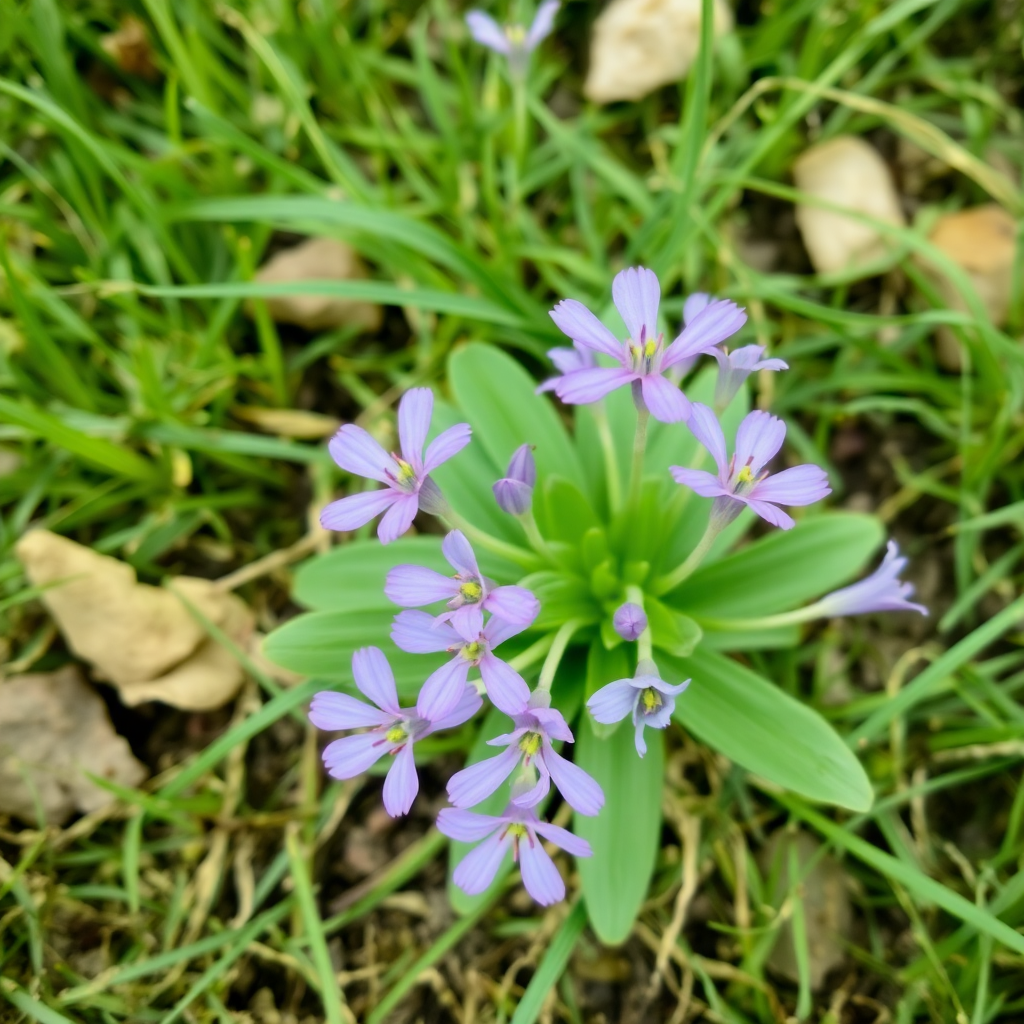
Despite its scientific moniker, the flowers are not blue; they range from buttery cream to pale pink, and in some cultivars even a subtle lavender hue.
The plant forms a low, compact mound of foliage, reaching 12‑18 inches in height and spreading about the same width. Its glossy, ovate leaves are a deep, matte green, providing an attractive backdrop for the airy, four‑petaled blossoms that appear in late spring and persist through summer.
Why Trachelium Deserves a Spot in Your Garden
Low‑maintenance champion – Once established, trachelium thrives in well‑drained soil with moderate moisture. It tolerates partial shade, though full sun encourages the most prolific flowering. Its drought‑tolerant nature makes it a reliable choice for gardens facing dry spells.
Pollinator friendly – The gently cupped flowers are a magnet for bees, hoverflies, and even delicate butterflies. By planting trachelium, you’re adding a valuable nectar source to your ecosystem.
Design flexibility – Its modest stature allows it to play multiple roles: as a front‑border filler, a rock‑garden accent, or even a container plant for patios and balconies. Pair it with silver‑leafed Salvia or deep‑purple Lavender for a striking colour contrast.
Extended blooming – While many Mediterranean natives have brief, intense displays, trachelium offers a prolonged, subtle cascade of blooms that can be dead‑headed to encourage a second flush later in the season.
Planting & Care Tips
Soil & Site: Choose a location with loamy, well‑draining soil. If your garden is heavy clay, amend it with coarse sand or fine gravel. A sunny spot with at least four hours of direct light yields the best flower production.
Sowing: Start seeds indoors 6‑8 weeks before the last frost. Light‑scrape the surface, keep the medium moist, and transplant seedlings outdoors after the danger of frost has passed.
Watering: Water deeply once a week during establishment; thereafter, allow the top inch of soil to dry out between watering.
Pruning: Pinch back the tips after the first flush to promote bushier growth and a second wave of blooms.
Winter Protection: In colder zones (USDA zones 5‑6), mulch around the base with straw or leaf mould to shield the roots from freeze‑thaw cycles.
A Small Investment with Big Returns
Because Trachelium is relatively inexpensive at most nurseries and seed suppliers, it offers a budget‑friendly way to add texture, colour, and ecological value to your garden. Its understated elegance makes it an ideal companion plant—never stealing the spotlight but always enhancing the overall composition.
So the next time you’re sketching a garden plan or browsing the seed aisle, give trachelium a second glance. This modest “trumpet flower” may just be the subtle, resilient hero your garden has been waiting for. Happy planting!