European Goldfinch: A Tiny Bird with a Golden Spirit
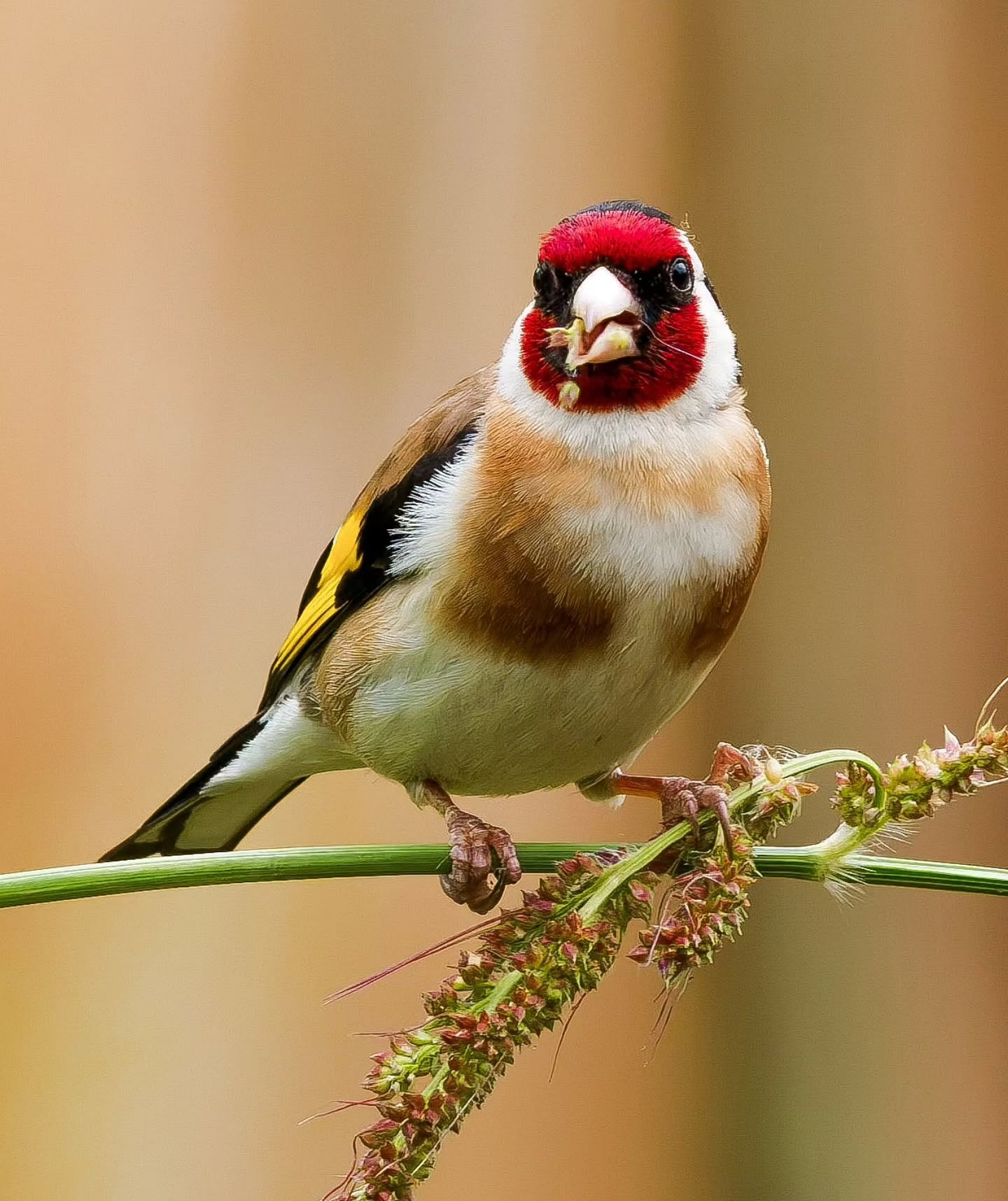
The European Goldfinch is one of those small birds that can make an ordinary landscape feel suddenly alive. With its bright red face, golden-yellow wing markings, and neatly patterned plumage, it is instantly recognizable. Its cheerful appearance seems almost too colorful for a bird that spends much of its time among everyday fields, gardens, hedgerows, and woodland edges. Yet this delicate bird carries a quiet elegance that has fascinated people for generations.
One of the most charming things about the European Goldfinch is its lively personality. It is an active, social bird, often seen moving gracefully between branches while searching for food. Its flight is particularly beautiful, combining quick wingbeats with a distinctive undulating rhythm. When several goldfinches travel together, their bright markings flash in the sunlight, creating a wonderful little spectacle that can easily capture the attention of anyone nearby.
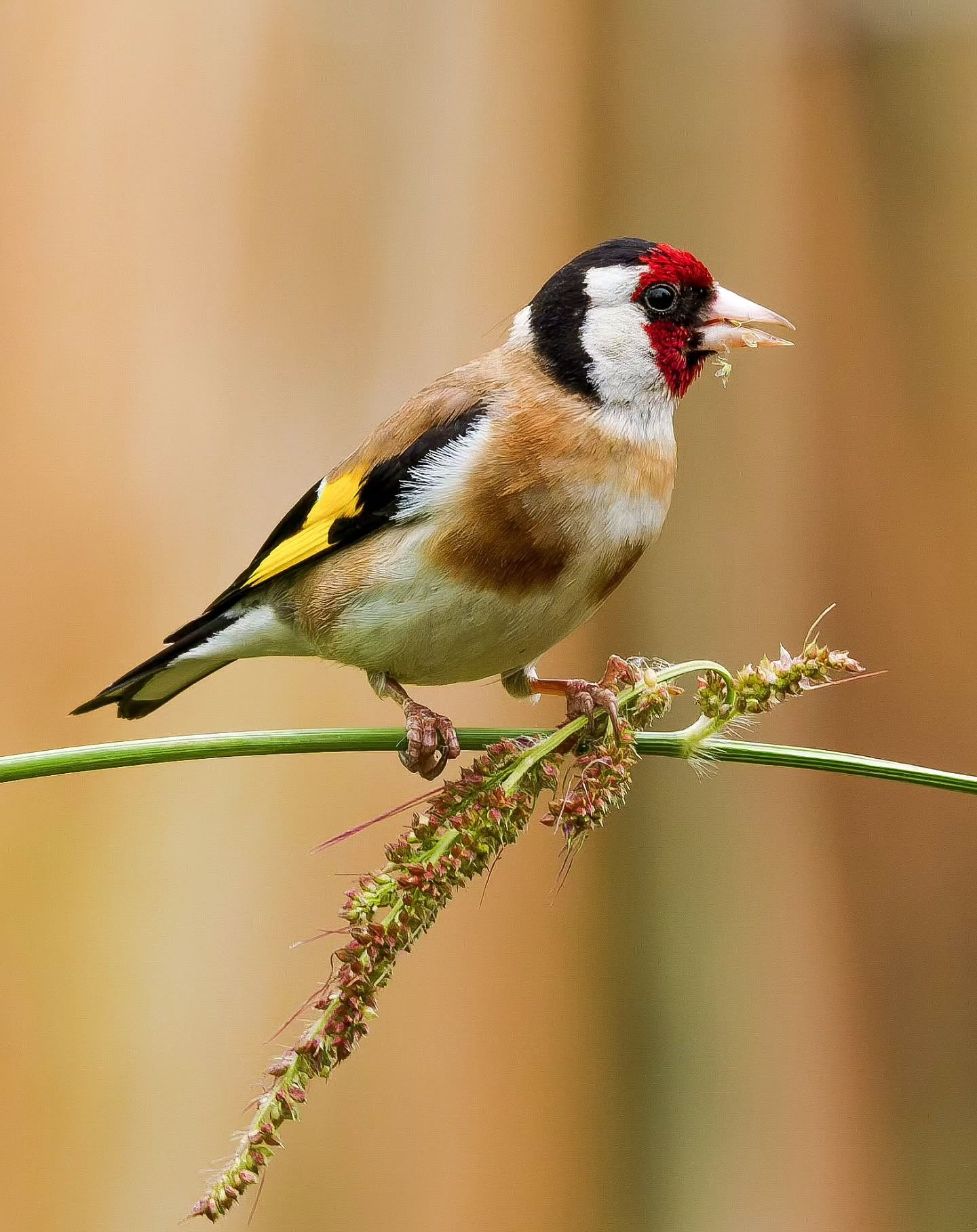
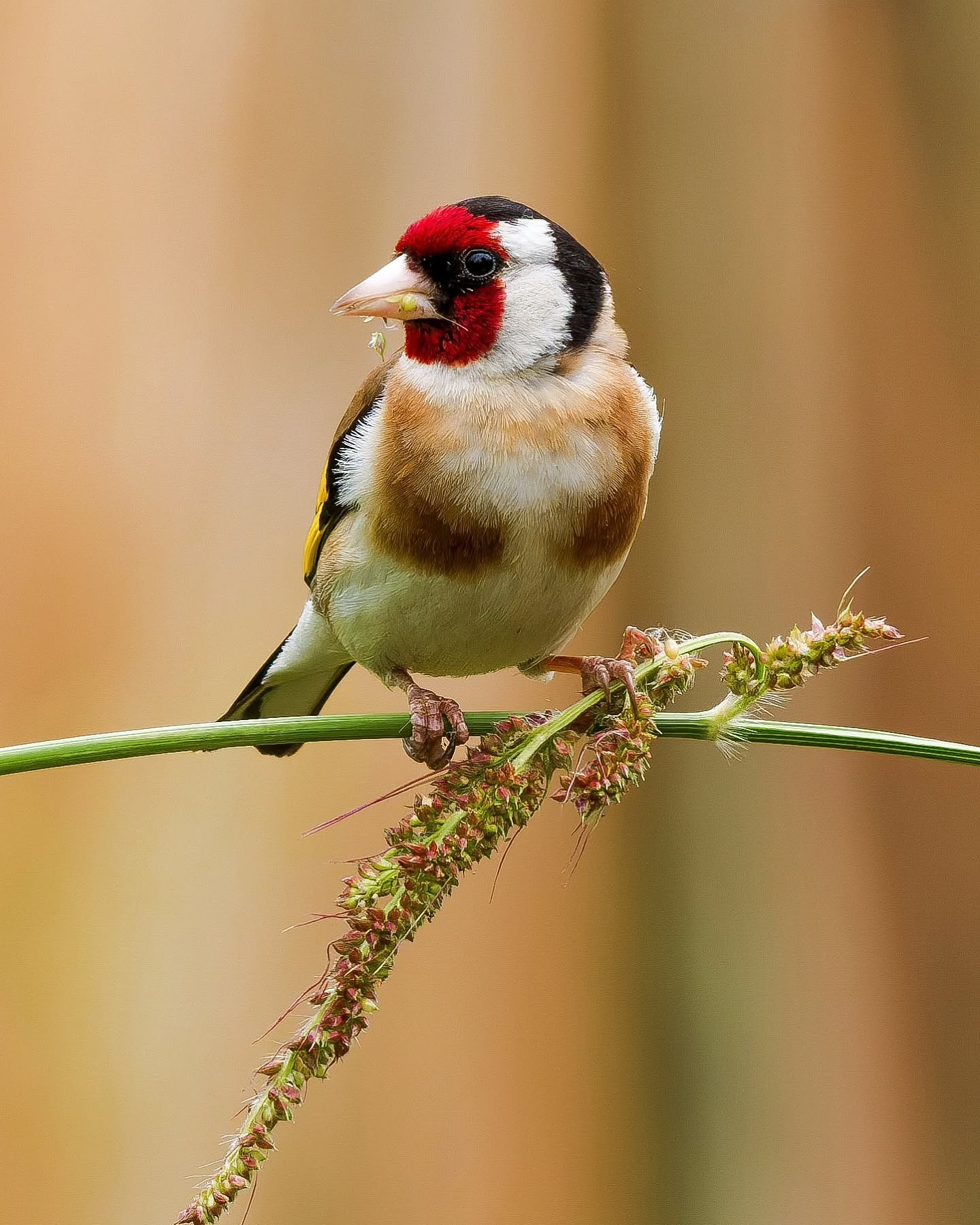
The European Goldfinch has a special relationship with seeds, particularly those produced by thistles and other flowering plants. Its slender, pointed bill is remarkably well suited for reaching seeds that many other birds cannot easily access. This feeding habit makes the goldfinch an important part of the natural cycle, helping connect flowering plants, insects, birds, and the wider ecosystem. Watching one patiently extract a seed from a plant is a reminder that even the smallest creatures have beautifully adapted ways of surviving.
Beyond its appearance and feeding habits, the European Goldfinch is also valued for its pleasant, lively song. Its calls and musical notes often blend naturally into the sounds of the countryside. During the breeding season, pairs become especially active as they establish their territories and raise their young. Their nests are carefully constructed, usually hidden among vegetation, demonstrating the bird's remarkable ability to combine delicacy with practical survival.
Although the European Goldfinch is still familiar across much of its range, its future depends on healthy habitats. Changes in agricultural landscapes, loss of wild plants, and the disappearance of natural feeding areas can make life more difficult for seed-eating birds. Planting native flowers and allowing some wild vegetation to grow can provide valuable food and shelter. Small changes in gardens and landscapes can therefore create surprisingly meaningful spaces for wildlife.
Perhaps the greatest appeal of the European Goldfinch is the joy it brings without demanding anything from us. A brief glimpse of its red face and golden wings can brighten an otherwise ordinary day. It reminds us that nature's beauty does not always arrive in grand forms; sometimes it appears as a tiny bird resting on a wildflower. Protecting creatures like the European Goldfinch means protecting those quiet moments of wonder that make the natural world feel close to our hearts.
Thanks For Reading
Device Information
| Device | cannon eos 450D |
|---|---|
| Lens | 250 mm |
| Location | Bangladesh |