The Charming Johnny Jump Up: Nature’s Little Face in Your Garden
Tucked among garden borders, meadow edges, and even sidewalk cracks, the Johnny Jump Up (Viola tricolor) blooms with quiet confidence and irresistible charm. A member of the violet family, this petite wildflower—also known as heartsease or wild pansy—carries a legacy of folklore, medicinal use, and natural beauty in its dainty frame.
Standing just 4 to 8 inches tall, Johnny Jump Up earns its name from its tendency to pop up unexpectedly in gardens and fields. The name itself is thought to be playful—perhaps because the flower seems to “jump up” overnight, or because its face-like markings appear to look up at you.
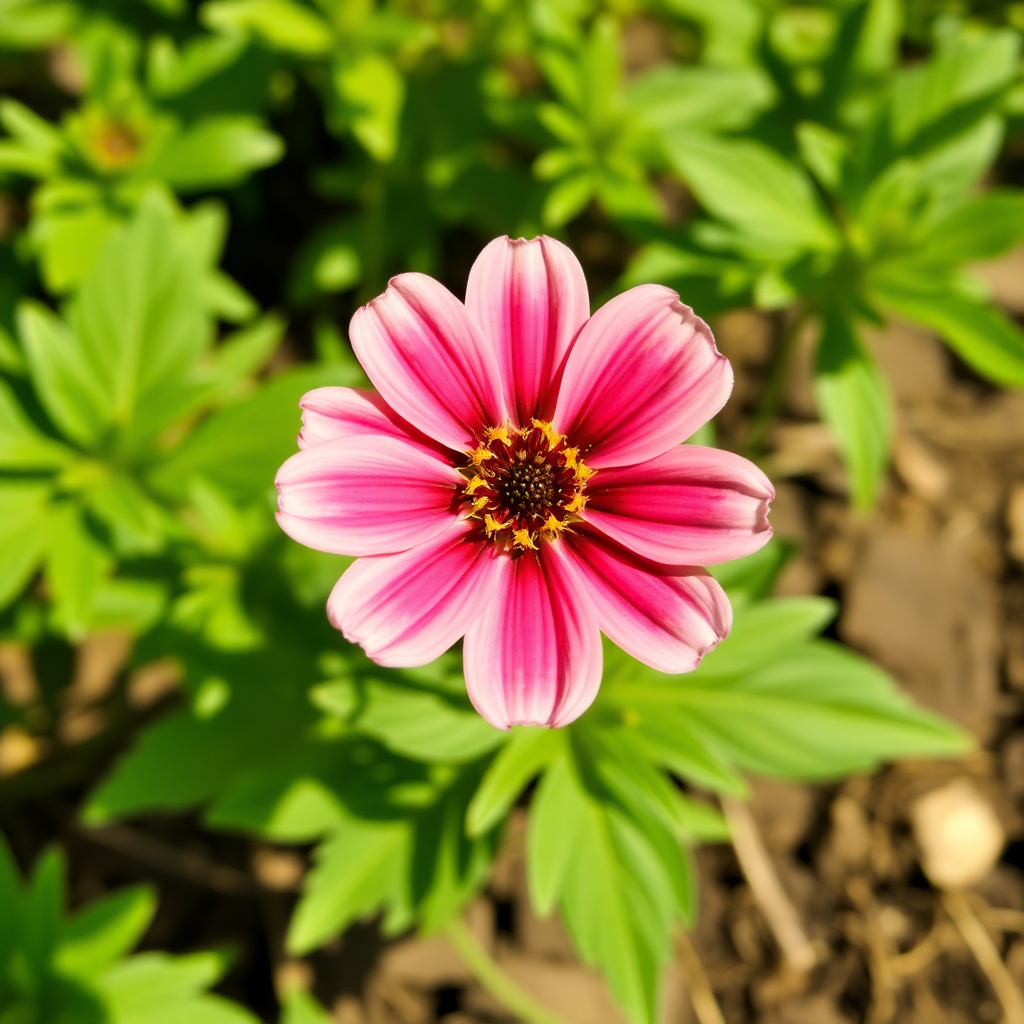
Its tri-colored blossoms—typically purple, yellow, and white—form a cheerful pattern that resembles a smiling face, making it a favorite among children and garden enthusiasts alike.
Native to Europe and parts of Asia, Johnny Jump Up thrives in cool weather and prefers partial sun to light shade. It’s remarkably hardy, often blooming in early spring and sometimes again in fall. While delicate in appearance, it’s tough enough to survive light frosts and come back year after year as a self-seeding annual.
But the appeal of Johnny Jump Up goes beyond beauty. Historically, herbalists used it for its medicinal properties. Rich in antioxidants and anti-inflammatory compounds, it has been used in traditional remedies for skin irritations, respiratory issues, and even as a mild diuretic. While modern medicine has moved on, the plant still holds a special place in natural wellness circles.
In the garden, Johnny Jump Up is a versatile performer. It looks lovely in rock gardens, containers, or as ground cover. Its edible flowers add color and a mild wintergreen flavor to salads, desserts, and garnishes—just be sure they’re grown without pesticides.
Ecologically, these little blooms support early-season pollinators like bees and butterflies, offering nectar when few flowers are in bloom.
More than just a flower, Johnny Jump Up carries symbolism. In the Victorian language of flowers, it represented thoughtfulness and remembrance. Shakespeare even referenced it in A Midsummer Night’s Dream, linking it to love potions and magic.
With its resilience, beauty, and storied past, the Johnny Jump Up is a quiet reminder that sometimes the smallest things bring the greatest joy. So next time you see a tiny, smiling face looking up from the soil, take a moment to appreciate nature’s understated wonder.