Hawaiian Hibiscus: A Tropical Flower of Beauty and Island Spirit
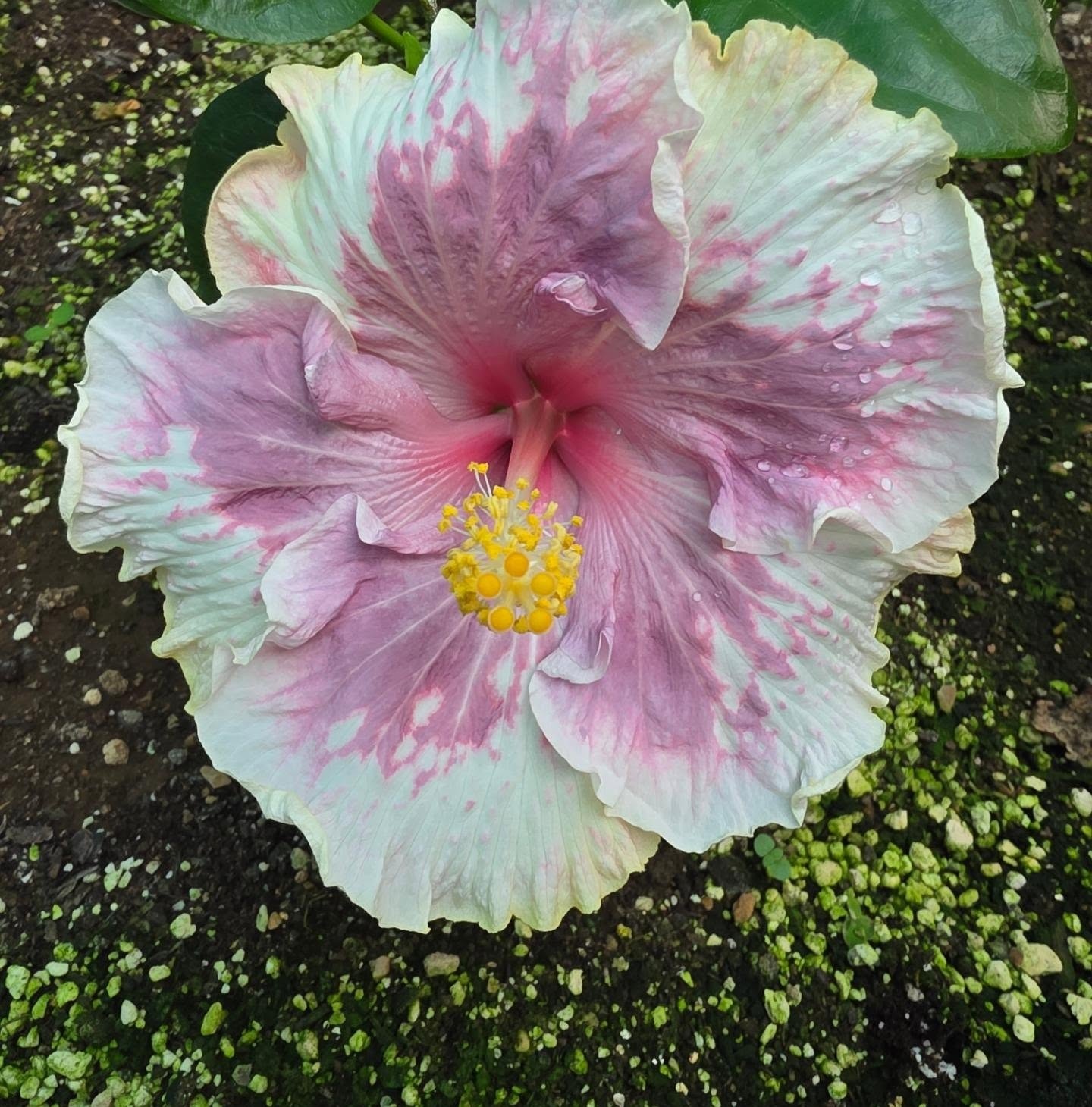
The Hawaiian hibiscus is a captivating symbol of tropical beauty, carrying the warmth and color of the Hawaiian Islands in every delicate petal. Its large, elegant blossoms can appear in shades of red, yellow, pink, orange, and other vibrant tones, often standing out dramatically against glossy green leaves. More than just a beautiful flower, hibiscus has become closely associated with island landscapes, where its graceful blooms bring a sense of freshness, sunshine, and natural charm.
One of the most fascinating qualities of Hawaiian hibiscus is the variety found within the group. Several hibiscus species are native to Hawaii, including the yellow-flowered Hibiscus brackenridgei, which is recognized as Hawaii's official state flower. Its bright yellow petals seem to capture the golden light of the tropics, while its prominent central staminal column gives the blossom an unmistakable appearance. Each flower may last only a short time, but new blooms continue to appear, keeping the plant wonderfully lively.
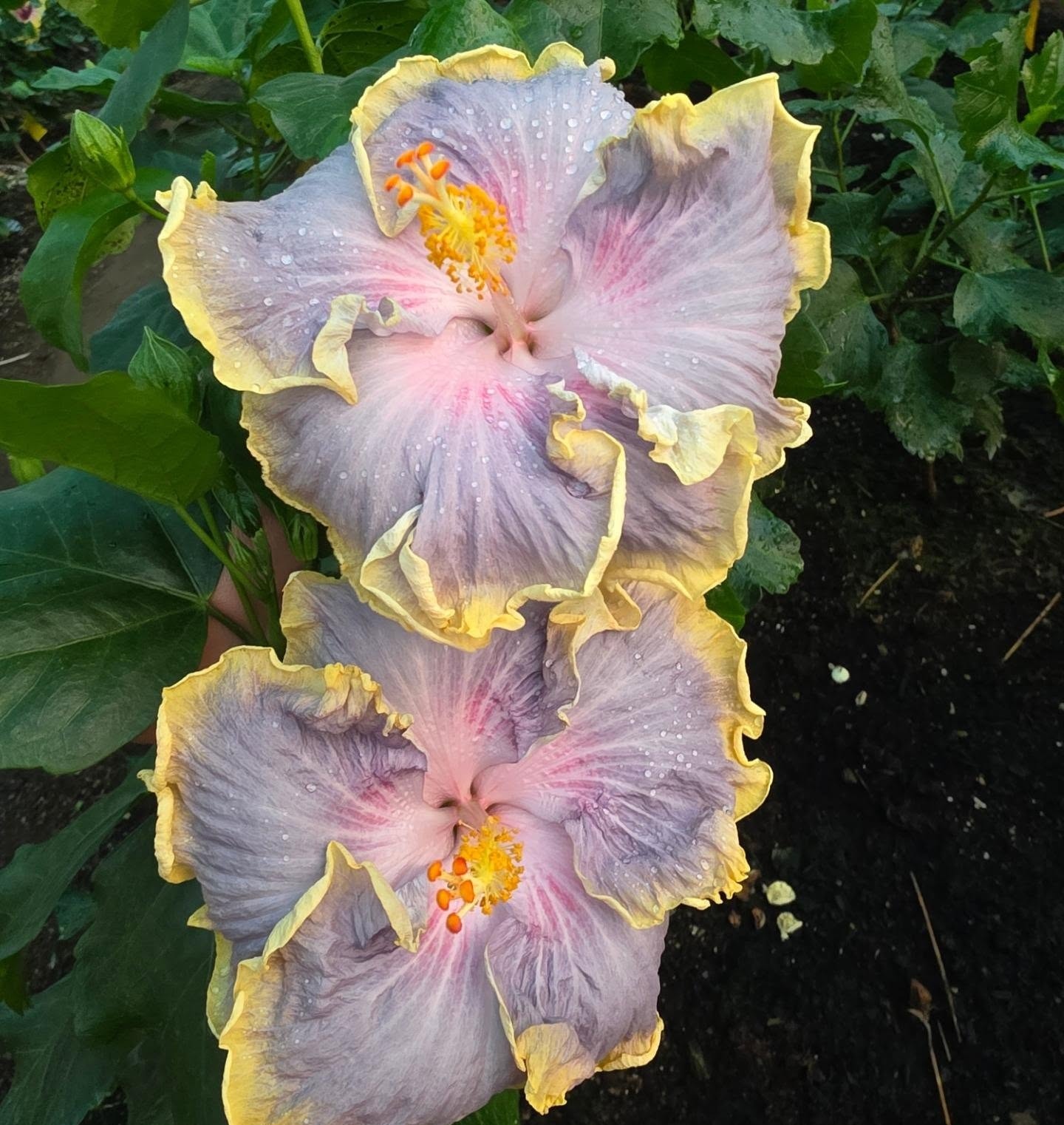
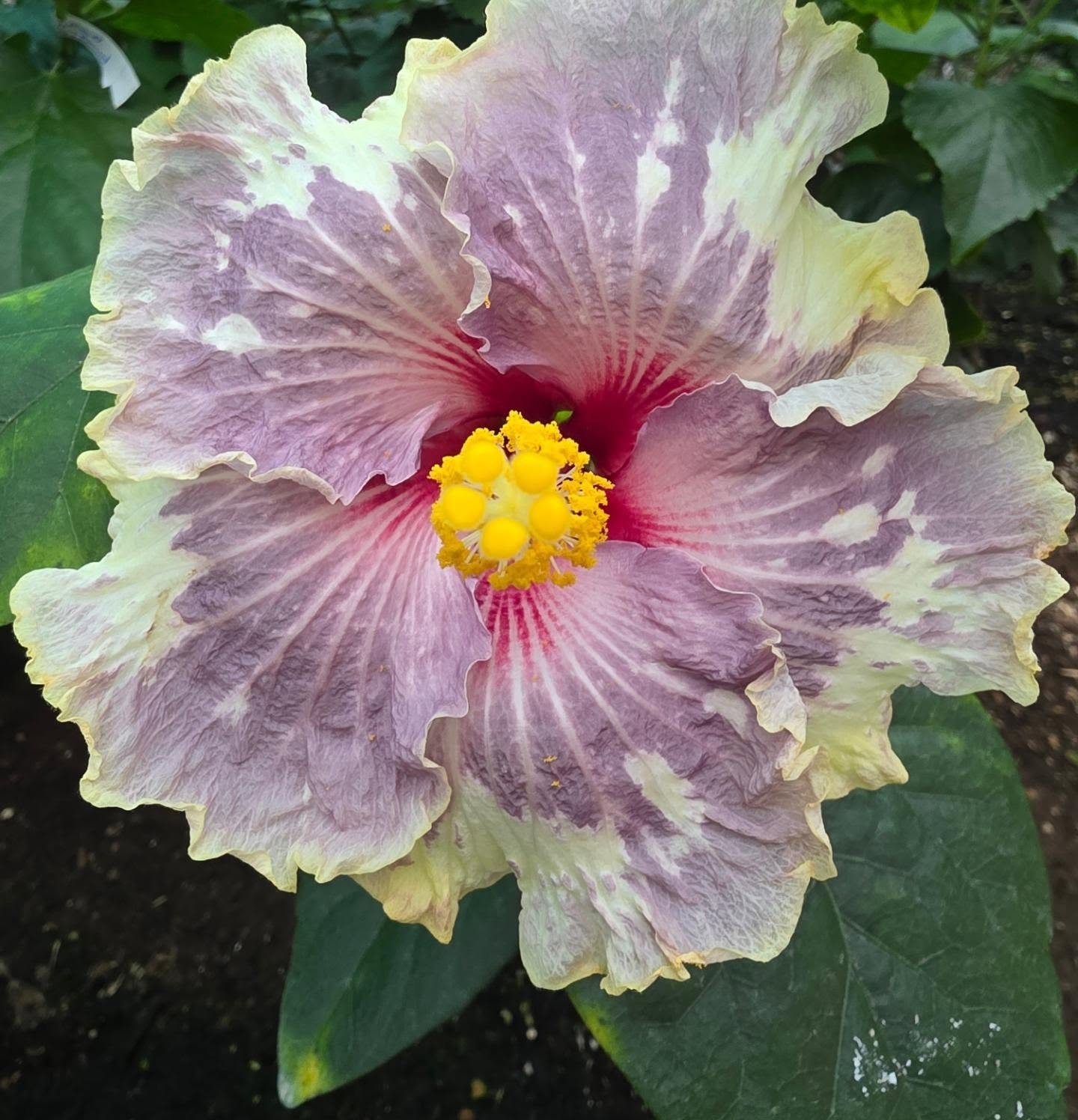
Hawaiian hibiscus thrives in warm, sunny environments and can become a striking feature of gardens and landscapes. Its broad leaves provide a lush green background, while the flowers attract attention from both people and pollinators. Depending on the species and growing conditions, the plants may develop into shrubs or small trees. Their natural preference for warmth makes them especially suited to tropical and subtropical gardens, where they can grow with an effortless, almost wild elegance.
The flower also carries a strong cultural presence in Hawaii. Hibiscus has long been connected with hospitality, celebration, beauty, and the relaxed spirit of island life. Its blossoms are frequently associated with traditional floral decorations and the familiar image of Hawaii presented around the world. This cultural connection gives the flower a deeper meaning: it is not simply something pretty growing in a garden, but part of a landscape that has inspired generations of people.
Like many native plants, Hawaiian hibiscus deserves thoughtful conservation. Native Hawaiian ecosystems contain many unique species that have evolved in isolation, and changes in habitat, invasive plants, animals, and other environmental pressures can threaten their survival. Protecting native hibiscus species helps preserve not only individual plants but also the natural heritage of the islands. Cultivating appropriate native varieties responsibly can be one small way of appreciating that heritage.
Perhaps the greatest charm of Hawaiian hibiscus lies in its ability to make a landscape feel instantly warmer and more welcoming. A single flower can bring together vivid color, tropical sunlight, cultural tradition, and the quiet beauty of nature. Whether growing beside a pathway, opening beneath the island sun, or simply appearing in a photograph, Hawaiian hibiscus invites us to slow down and appreciate the beauty around us. It is a flower that seems to carry a little piece of Hawaii wherever its bright petals unfold.
%20(9).jpeg)