Celestial Gold Rush: The High-Stakes Debate Over Space Resources
For decades, space was the final frontier of exploration and scientific discovery. Today, it is increasingly viewed as the next great economic engine. With asteroids teeming with precious metals like platinum and the Moon harboring water ice and Helium-3, the potential for space resource extraction is no longer science fiction—it is a trillion-dollar industry in the making.
However, this "Celestial Gold Rush" has ignited a fierce global debate: Who actually owns the stars?
At the heart of the controversy is the 1967 Outer Space Treaty (OST), which declares that space is the "province of all mankind" and prohibits national appropriation by claim of sovereignty. While this prevents a country from planting a flag and claiming the Moon, the language regarding private resource extraction is dangerously vague.
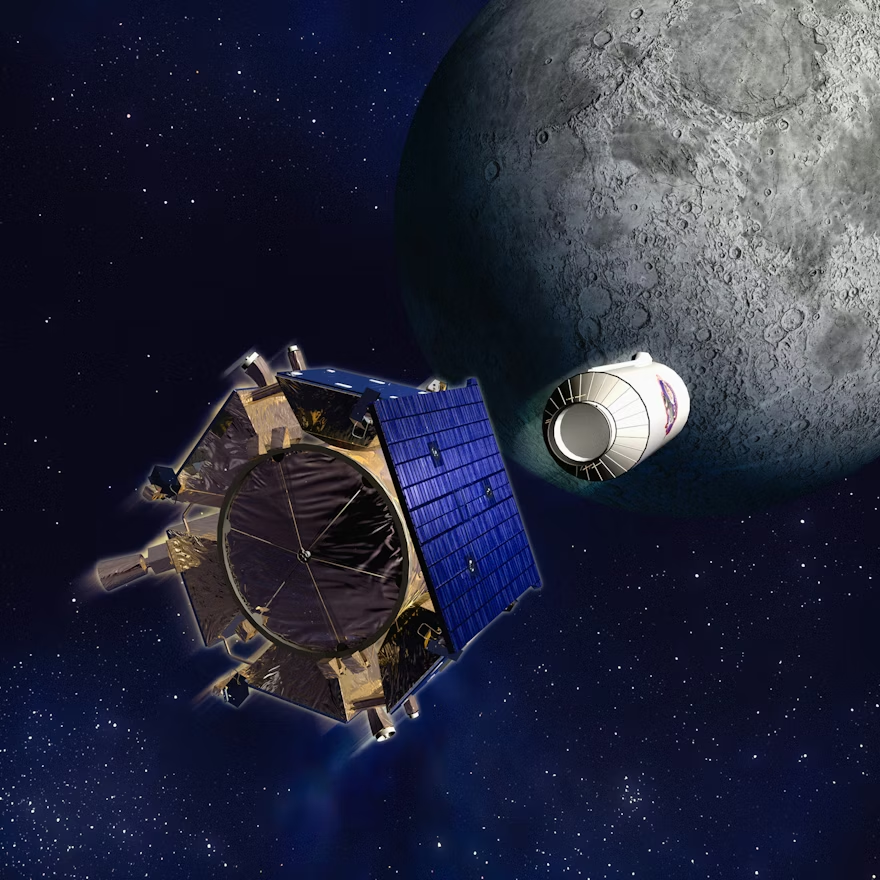
Proponents of space mining, led by the U.S. and nations like Luxembourg, argue that resources extracted from a celestial body should belong to the entity that spent the capital to get them. They contend that without clear property rights, private investment will stall, delaying missions to Mars and beyond.
The U.S. Commercial Space Launch Competitiveness Act of 2015 and the international Artemis Accords aim to create a framework for this "finders-keepers" model.
Critics, however, fear a "Wild West" scenario. They argue that allowing a handful of wealthy nations and corporations to claim the solar system's richest deposits will deepen global inequality and lead to terrestrial-style geopolitical conflicts. Is it fair for the first company to reach a water-rich crater on the Moon to monopolize it?
As we stand on the precipice of becoming a multi-planetary species, the challenge is clear: we must establish a legal framework that incentivizes innovation while ensuring the benefits of the cosmos are shared equitably. The decisions we make today will determine whether space becomes a theater of cooperation or a new battlefield for resources.