SLC-S29/W6-“Thinking and Ideas!| One Idea Worth Spreading!”
Hi guys, accept warm Steem greetings from the motherland of Cameroon, and welcome to my blog, where I'm gonna share my thoughts on the challenge topic “Thinking and Ideas!| One Idea Worth Spreading!”.
Before I go into the write-up proper, permit me to invite @wilmer1988, @suboohi, and @max-pro to participate in the challenge they haven’t done.
| Share one idea you believe could improve lives (locally or globally). |
|---|
One idea I believe could significantly improve lives both locally and globally is the practice of tolerance. Human beings are naturally selfish beings, and we tend to prioritise our own needs, beliefs, and perspectives above those of others. While this instinct can help us survive and succeed, it can also create division when we fail to recognise and respect differences. Many conflicts throughout history, from the devastating world wars to ongoing regional disputes and national conflicts, have been fueled by intolerance, an unwillingness to accept ideas, cultures, religions, or political views that differ from our own. When people see opposing viewpoints as threats instead of opportunities for understanding, hostility often follows.
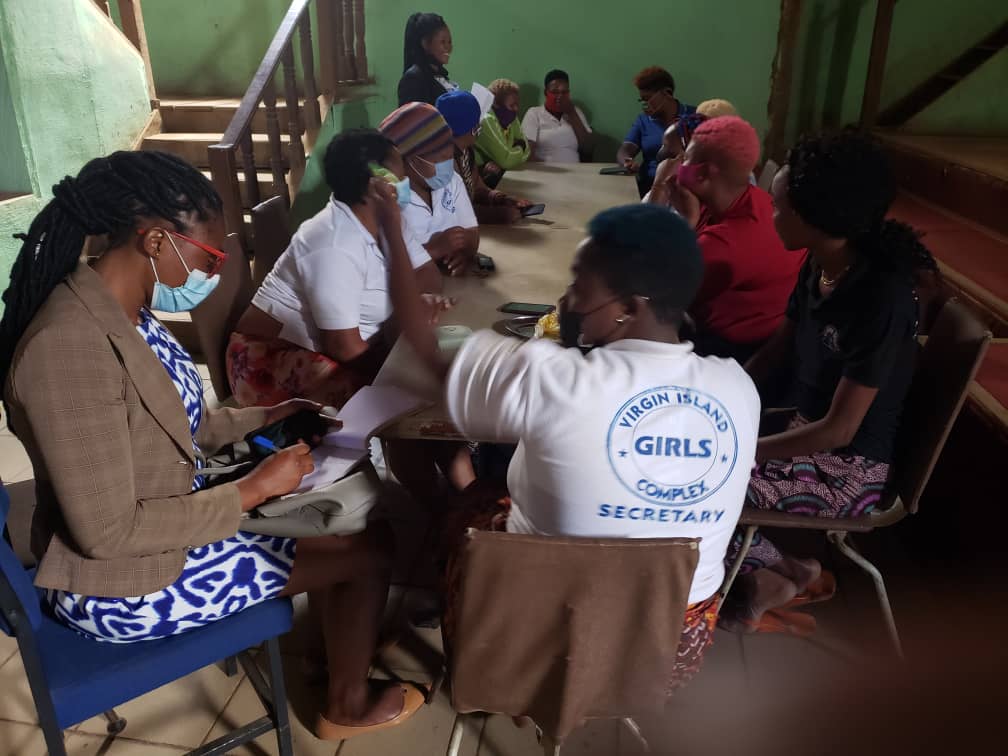
Wars and social conflicts often arise not simply because people disagree, but because they refuse to tolerate disagreement. Differences in ideology, race, religion, and national identity have repeatedly led to violence when mutual respect is absent. For example, events such as the Anglophone conflict in Cameroon demonstrate how extreme intolerance and the desire to dominate others can cause immense suffering nationwide. If individuals and nations practised greater tolerance, listening before judging, seeking compromise rather than control, many disputes could be resolved through dialogue instead of destruction. Tolerance does not mean abandoning one’s beliefs rather, it means accepting that others have the right to hold different views.
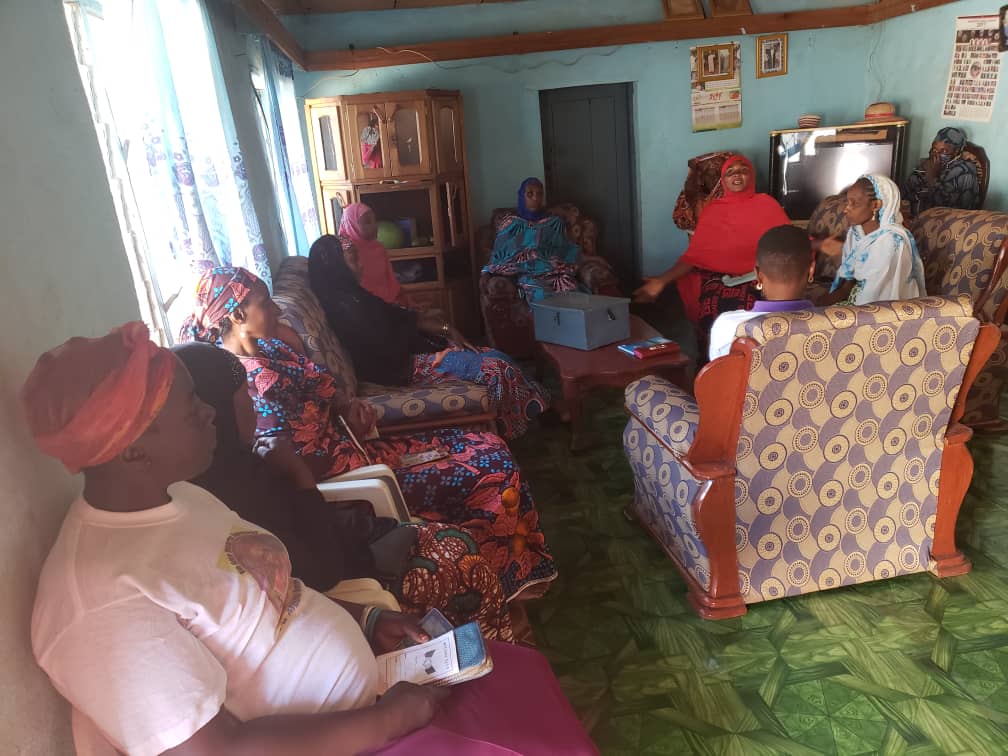
Promoting tolerance through education, open conversation, and cultural exchange could gradually reshape communities and international relations. On a local level, tolerance strengthens neighbourhoods by fostering cooperation among diverse groups. On a global scale, it can reduce prejudice, prevent radicalisation, and lower the likelihood of violent conflict. Although human selfishness may never disappear, learning to balance it with understanding and respect could create a more peaceful and united world.
| Why is this idea important now? |
|---|
Tolerance is especially important today because the world is more connected yet more divided than ever. Social media and instant communication expose people to many different cultures and opinions, but they also spread extreme views quickly. This often leads to misunderstanding and conflict, making it easier for intolerance to grow within communities and even families.
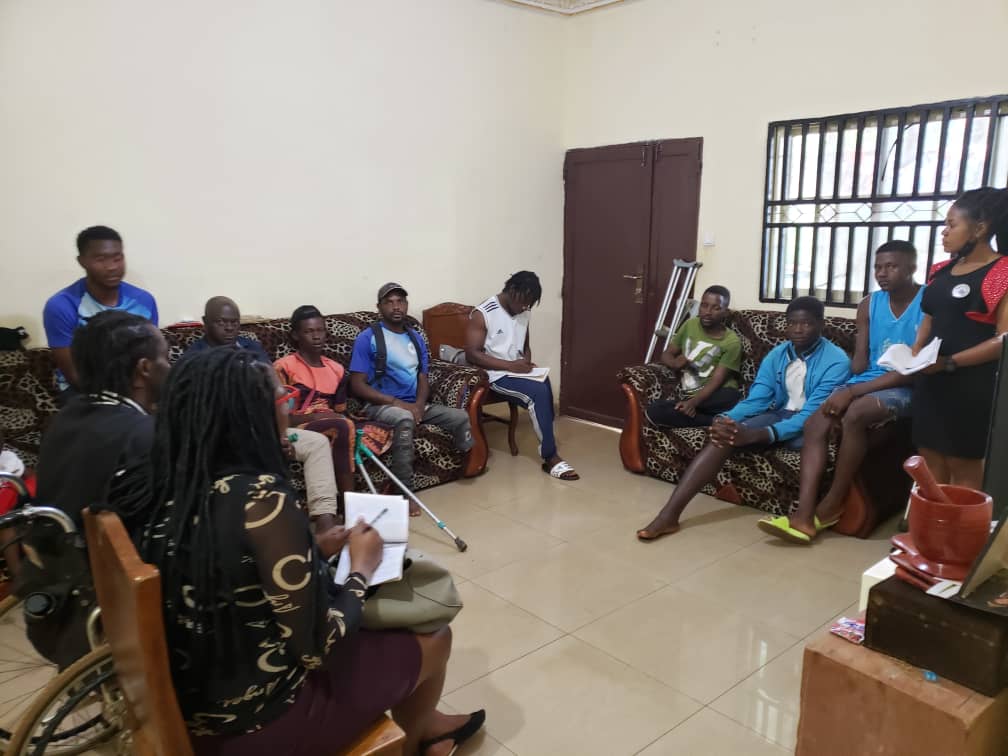
Global tensions further show the dangers of intolerance. The war between Russia and Ukraine for instance demonstrates how big political and ideological differences can turn into violent conflict. Beyond wars, intolerance fuels discrimination, racism, and political division, making compromise and peaceful solutions harder to achieve.
Without tolerance, countries and communities struggle to work together effectively. In such a divided yet interconnected world, tolerance is not only a moral value but a necessary foundation for peace, stability, and progress.
| Who do you feel needs to hear this idea the most? |
|---|
Young people need to hear this idea the most. They are growing up in a world shaped by social media, where opinions are often extreme and disagreements quickly become personal attacks. Teaching young people the value of tolerance can help them develop empathy, critical thinking, and respect for diversity. As the next generation of voters, professionals, and leaders, their attitudes will shape the future of society.
Finally, ordinary citizens need to hear this idea as well. Change does not come only from those in power, it begins in everyday conversations, workplaces, schools, and communities. When individuals choose to listen instead of judge and understand instead of reject, they help reduce division on a small but meaningful scale. If more people embraced tolerance in their daily lives, it could gradually create a more peaceful and cooperative world.
| What is the first small step someone could take to begin? |
|---|
The first small step someone could take is simply to listen with the intention to understand, not to respond. In everyday conversations, especially when discussing sensitive topics, people often focus on defending their own opinions. Choosing instead to genuinely hear what the other person is saying, without interrupting or immediately judging can reduce tension and build mutual respect.
Another simple step is to question your own assumptions. When you encounter a viewpoint that frustrates or confuses you, pause and ask yourself why you feel that way. Is it based on facts, personal experience, or something you have always been told? This moment of self-reflection helps prevent quick, emotional reactions and encourages thoughtful responses rather than conflict.
In sum tolerance grows through exposure and understanding, and even one open-minded interaction can begin to change the way we see others.
Hi @chant, welcome to thinking and ideas week 6
Human beings are naturally selfish no doubt, everyone wants their own first and always before anyone else. That is why we have greedy governments every now and then. No one wants to tolerate each other, they are just so selfish even to marriage. Most times I wonder how people are able to have or develop such attitude towards others.
I appreciate your time reading through my write-up and giving positive feedback.
Here is the link to X promoting the write-up https://x.com/chantymuluh/status/2025683408110702866?s=46&t=_j_2cJ8giwgVdlNurSvBTg
Thank you for the support.